


Re: Terry's Astronomy Thread.
Daily Suspicious0bserver's Weather Post:
January 17, 2014
What's in the sky tonight?
January 17, 2014
Astro Picture of the Day:
January 17, 2014
Source:
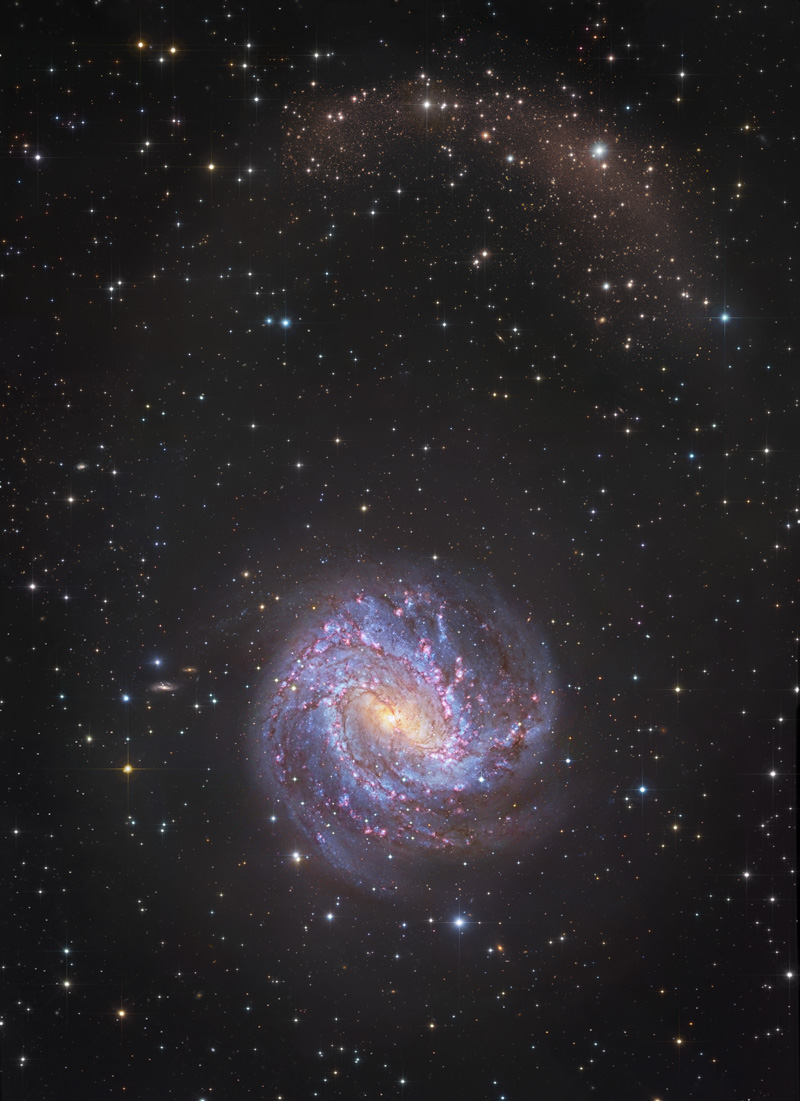
Big, bright, and beautiful, spiral galaxy M83 lies a mere twelve million light-years away, near the southeastern tip of the very long constellation Hydra. This deep view of the gorgeous island universe includes observations from Hubble, along with ground based data from the European Southern Observatory's very large telescope units, National Astronomical Observatory of Japan's Subaru telescope, and Australian Astronomical Observatory photographic data by D. Malin. About 40,000 light-years across, M83 is popularly known as the Southern Pinwheel for its pronounced spiral arms. But the wealth of reddish star forming regions found near the edges of the arms' thick dust lanes, also suggest another popular moniker for M83, the Thousand-Ruby Galaxy. Arcing near the top of the novel cosmic portrait lies M83's northern stellar tidal stream, debris from the gravitational disruption of a smaller, merging satellite galaxy. The faint, elusive star stream was found in the mid 1990s by enhancing photographic plates.
Daily Suspicious0bserver's Weather Post:
January 17, 2014
What's in the sky tonight?
January 17, 2014
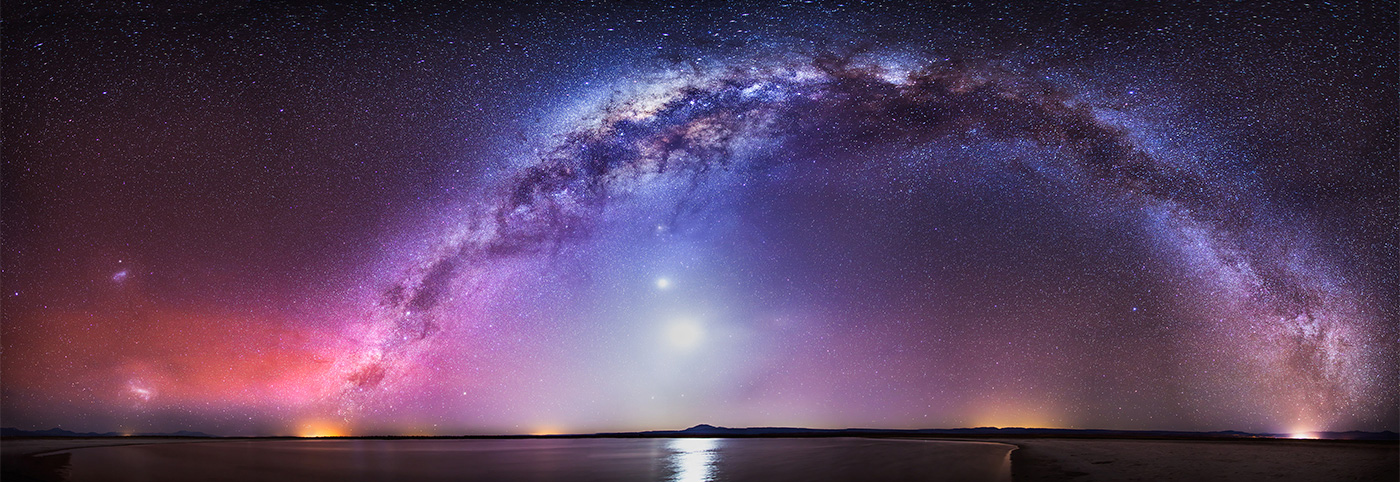
-As the stars come out, face north and look very high overhead for Cassiopeia, oriented now like a flattened letter M. As the night proceeds, the M swings down in the northwest and tilts sideways.
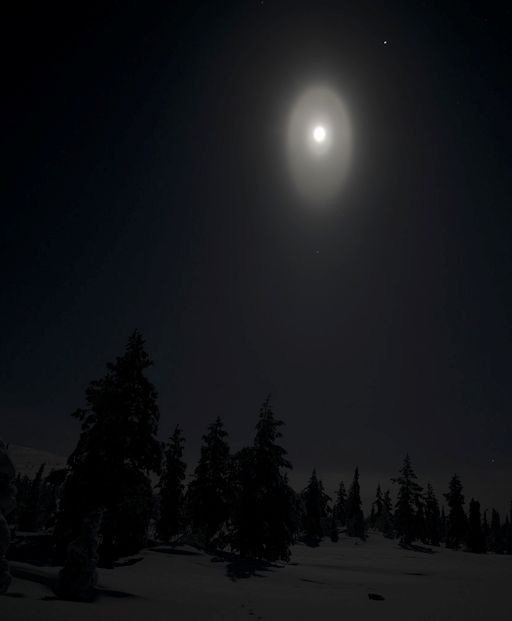
-NOAA forecasters estimate a 35% chance of polar geomagnetic storms on Jan. 17th when a minor CME is expected to hit Earth's magnetic field. High-latitude sky watchers should be alert for moonlit auroras.
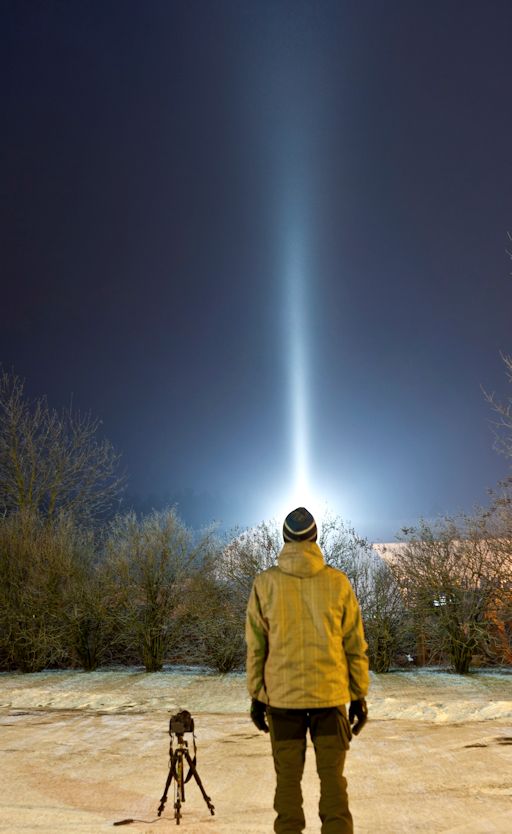
-Winter is unfolding around the northern hemisphere. As temperatures drop, pillars of light are springing up from ground. Janis Satrovskis of Valmiera, Latvia, photographed this specimen on Jan. 14th.
Light pillars are a common sight around northern cities in winter. Urban lights bounce off ice crystals in the air, producing tall luminous columns sometimes mistaken for auroras. Usually the ice crystals are natural, such as snow flakes, but in this case the atmospheric optics were artificial.
"The amazing phenomenon was created by snow blowing machines," explains Satrovskis. "These are our first days with temperatures below zero and ski resorts are making snow. A slight breeze carried manmade snow over the city, creating a spectacular view."
Light pillars are springing up in cold cities around the world. Is yours one of them?
-NOAA forecasters estimate a 35% chance of polar geomagnetic storms on Jan. 17th when a minor CME is expected to hit Earth's magnetic field. High-latitude sky watchers should be alert for moonlit auroras.
-Winter is unfolding around the northern hemisphere. As temperatures drop, pillars of light are springing up from ground. Janis Satrovskis of Valmiera, Latvia, photographed this specimen on Jan. 14th.
Light pillars are a common sight around northern cities in winter. Urban lights bounce off ice crystals in the air, producing tall luminous columns sometimes mistaken for auroras. Usually the ice crystals are natural, such as snow flakes, but in this case the atmospheric optics were artificial.
"The amazing phenomenon was created by snow blowing machines," explains Satrovskis. "These are our first days with temperatures below zero and ski resorts are making snow. A slight breeze carried manmade snow over the city, creating a spectacular view."
Light pillars are springing up in cold cities around the world. Is yours one of them?
Astro Picture of the Day:
January 17, 2014
Big, bright, and beautiful, spiral galaxy M83 lies a mere twelve million light-years away, near the southeastern tip of the very long constellation Hydra. This deep view of the gorgeous island universe includes observations from Hubble, along with ground based data from the European Southern Observatory's very large telescope units, National Astronomical Observatory of Japan's Subaru telescope, and Australian Astronomical Observatory photographic data by D. Malin. About 40,000 light-years across, M83 is popularly known as the Southern Pinwheel for its pronounced spiral arms. But the wealth of reddish star forming regions found near the edges of the arms' thick dust lanes, also suggest another popular moniker for M83, the Thousand-Ruby Galaxy. Arcing near the top of the novel cosmic portrait lies M83's northern stellar tidal stream, debris from the gravitational disruption of a smaller, merging satellite galaxy. The faint, elusive star stream was found in the mid 1990s by enhancing photographic plates.

















Comment