

Re: Terry's Astronomy Thread.
What's in the sky tonight?
September 18, 2013
Astro Picture of the Day:
September 18, 2013
 Source:
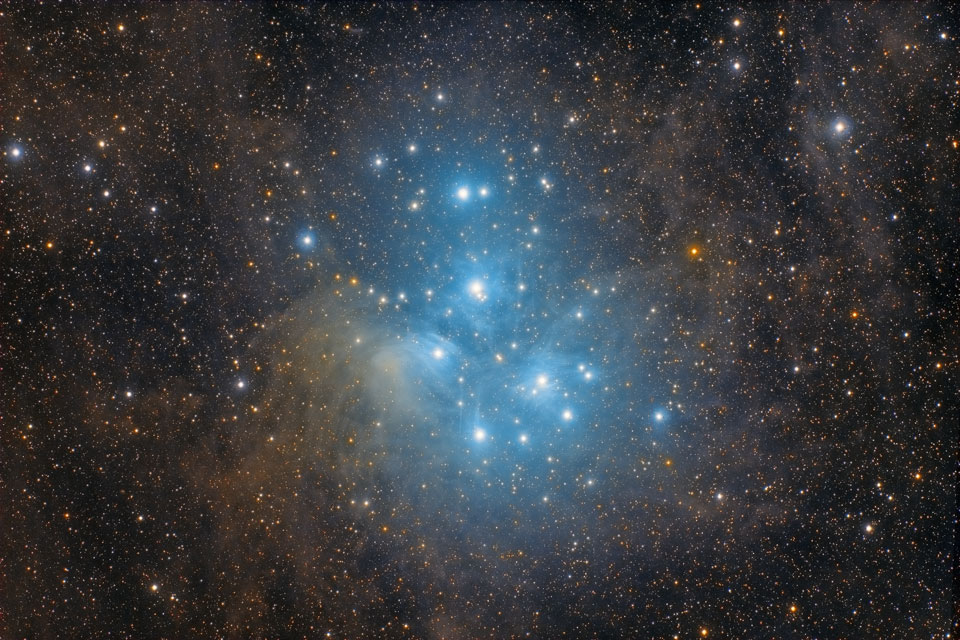
Have you ever seen the Pleiades star cluster? Even if you have, you probably have never seen it as dusty as this. Perhaps the most famous star cluster on the sky, the bright stars of the Pleiades can be seen without binoculars from even the depths of a light-polluted city. With a long exposure from a dark location, though, the dust cloud surrounding the Pleiades star cluster becomes very evident. The above exposure took about 30 hours and covers a sky area several times the size of the full moon. Also known as the Seven Sisters and M45, the Pleiades lies about 400 light years away toward the constellation of the Bull (Taurus). A common legend with a modern twist is that one of the brighter stars faded since the cluster was named, leaving only six stars visible to the unaided eye. The actual number of Pleiades stars visible, however, may be more or less than seven, depending on the darkness of the surrounding sky and the clarity of the observer's eyesight.
What's in the sky tonight?
September 18, 2013
-Full Moon tonight and tomorrow night (exactly full at 7:13 a.m. Thursday morning EDT). The Moon is passing through dim Pisces, to the lower right of the Great Square of Pegasus both evenings.
-Tonight's full Moon is the "Harvest Moon," the full Moon closest to the autumnal equinox. Look for it rising in the east at sunset. Swollen by the Moon illusion and reddened by the effect of low-hanging clouds, the rising Harvest moon is often likened to a "Great Pumpkin."
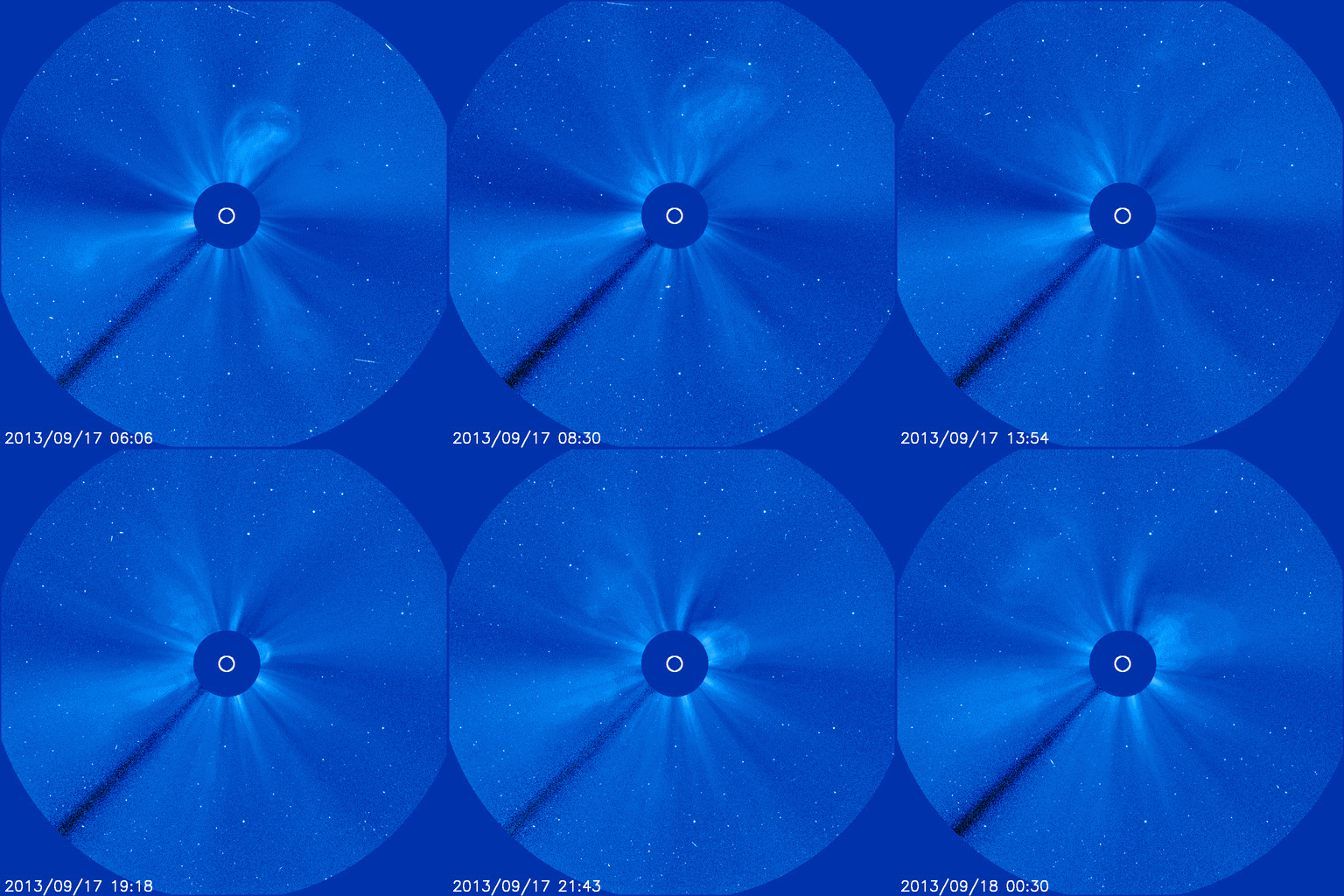
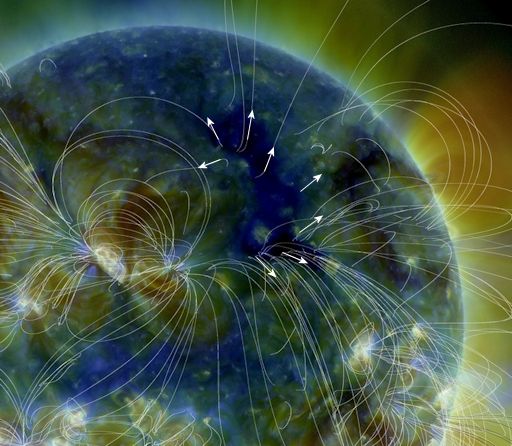
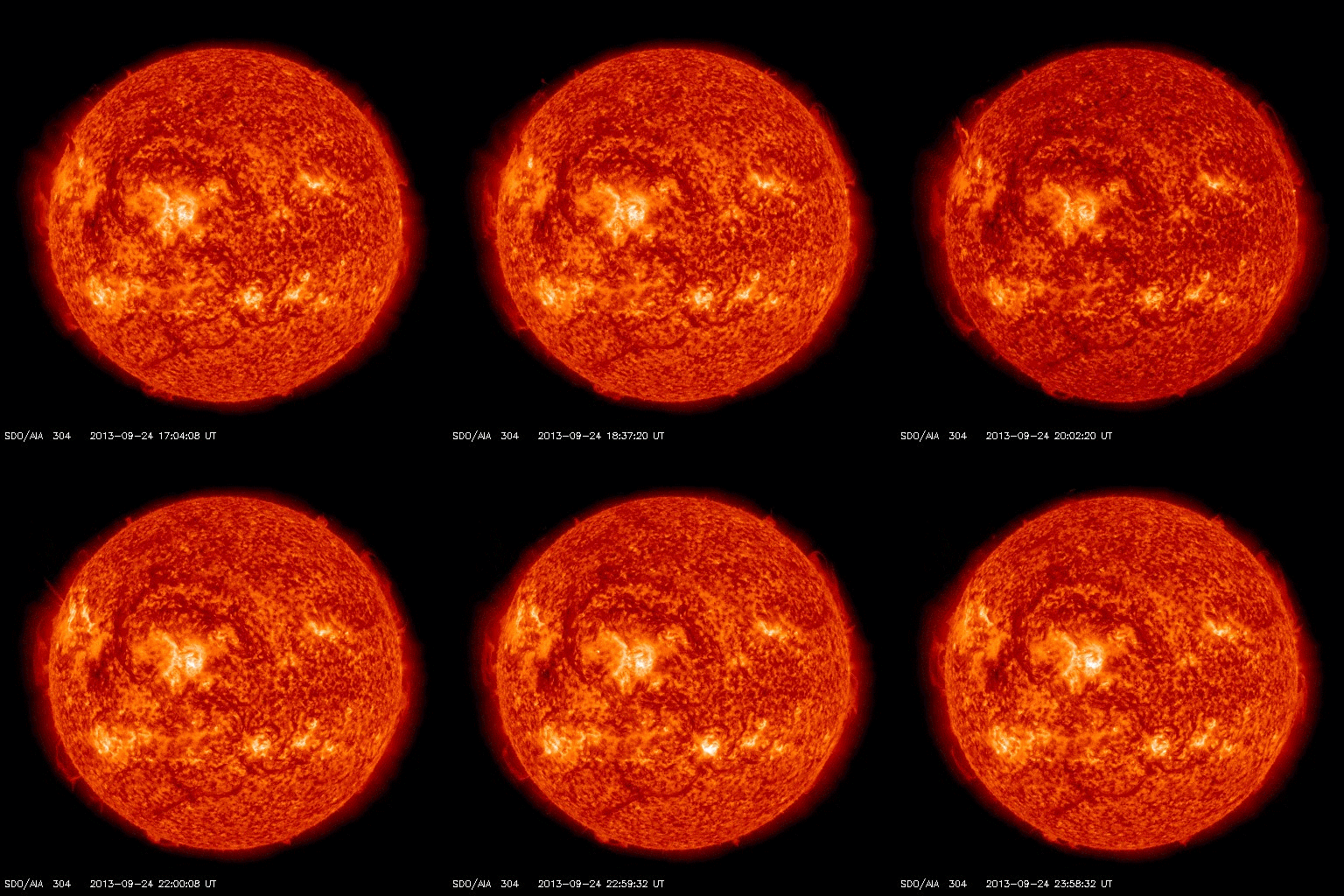
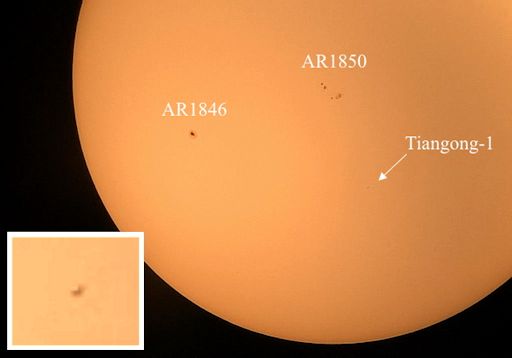
-After a week of deep quiet, the drowsy sun seems to be waking up. Five new sunspots were numbered on Sept. 17th as the sun hurled a series of coronal mass ejections (CMEs) into space. The Solar and Heliospheric Observatory recorded the expanding clouds. Earth was not in the line of fire of the CMEs. One of them, however, might deliver a glancing blow to our planet's magnetic field a few days hence.
-Tonight's full Moon is the "Harvest Moon," the full Moon closest to the autumnal equinox. Look for it rising in the east at sunset. Swollen by the Moon illusion and reddened by the effect of low-hanging clouds, the rising Harvest moon is often likened to a "Great Pumpkin."
-After a week of deep quiet, the drowsy sun seems to be waking up. Five new sunspots were numbered on Sept. 17th as the sun hurled a series of coronal mass ejections (CMEs) into space. The Solar and Heliospheric Observatory recorded the expanding clouds. Earth was not in the line of fire of the CMEs. One of them, however, might deliver a glancing blow to our planet's magnetic field a few days hence.
Astro Picture of the Day:
September 18, 2013
Have you ever seen the Pleiades star cluster? Even if you have, you probably have never seen it as dusty as this. Perhaps the most famous star cluster on the sky, the bright stars of the Pleiades can be seen without binoculars from even the depths of a light-polluted city. With a long exposure from a dark location, though, the dust cloud surrounding the Pleiades star cluster becomes very evident. The above exposure took about 30 hours and covers a sky area several times the size of the full moon. Also known as the Seven Sisters and M45, the Pleiades lies about 400 light years away toward the constellation of the Bull (Taurus). A common legend with a modern twist is that one of the brighter stars faded since the cluster was named, leaving only six stars visible to the unaided eye. The actual number of Pleiades stars visible, however, may be more or less than seven, depending on the darkness of the surrounding sky and the clarity of the observer's eyesight.










Comment