

Re: Terry's Astronomy Thread.
Daily Suspicious0bserver's Weather Post:
February 16, 2014
What's in the sky tonight?
February 16, 2014
Astro Picture of the Day:
February 16, 2014
Source:
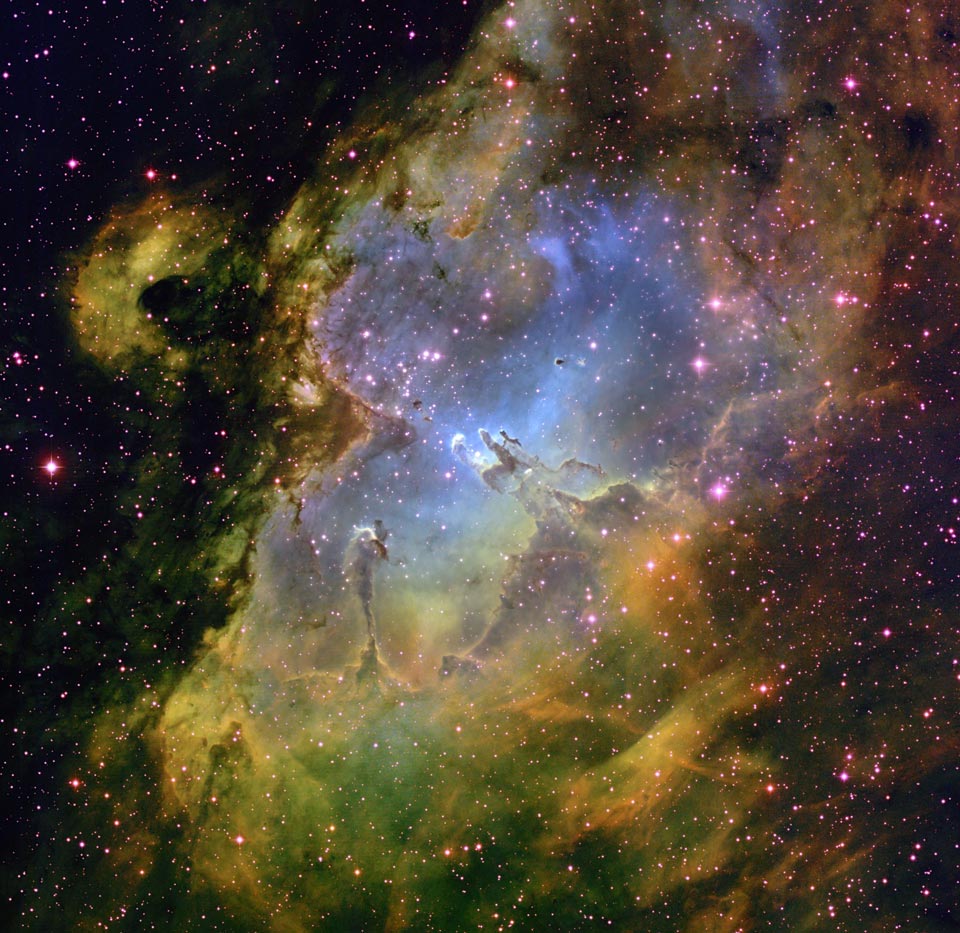
From afar, the whole thing looks like an Eagle. A closer look at the Eagle Nebula, however, shows the bright region is actually a window into the center of a larger dark shell of dust. Through this window, a brightly-lit workshop appears where a whole open cluster of stars is being formed. In this cavity tall pillars and round globules of dark dust and cold molecular gas remain where stars are still forming. Already visible are several young bright blue stars whose light and winds are burning away and pushing back the remaining filaments and walls of gas and dust. The Eagle emission nebula, tagged M16, lies about 6500 light years away, spans about 20 light-years, and is visible with binoculars toward the constellation of the Serpent (Serpens). This picture combines three specific emitted colors and was taken with the 0.9-meter telescope on Kitt Peak, Arizona, USA.
Daily Suspicious0bserver's Weather Post:
February 16, 2014
What's in the sky tonight?
February 16, 2014
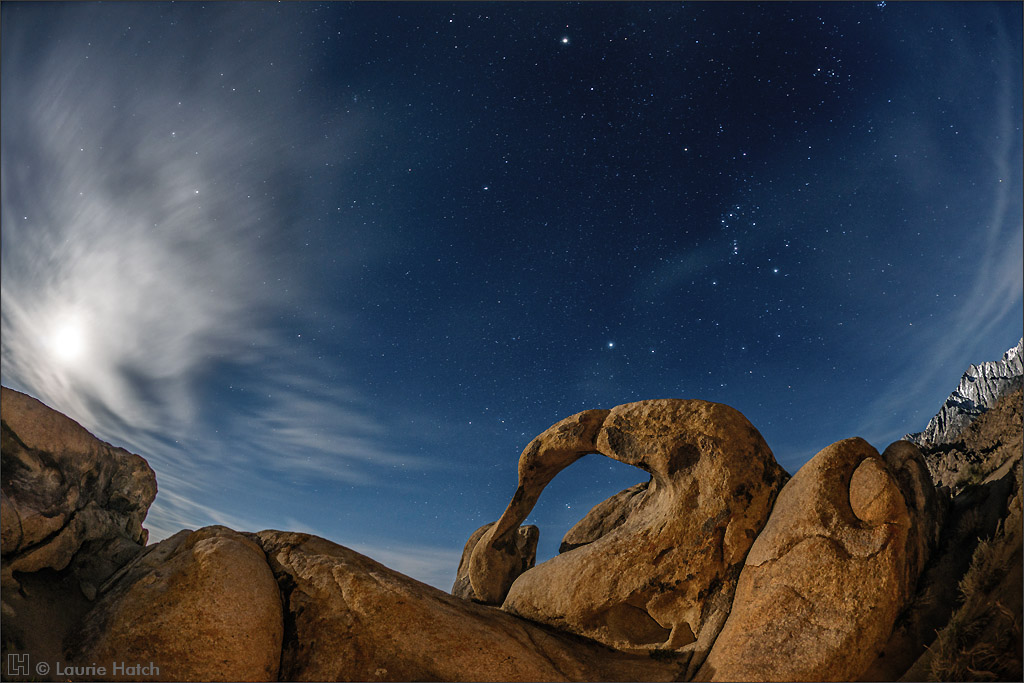
-The thick waning gibbous Moon rises in the east around the end of twilight. Look higher above it now for Regulus. Extending upper left from Regulus is the Sickle of Leo.
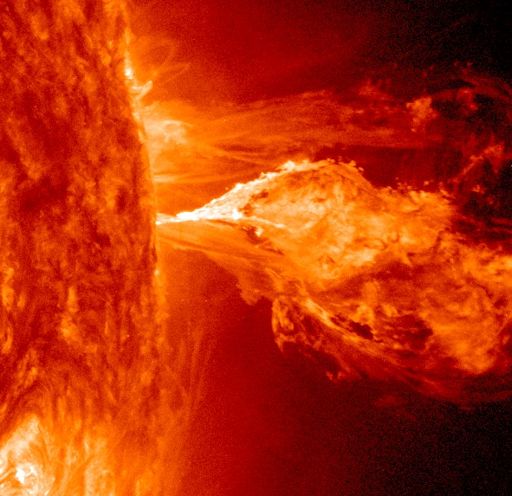
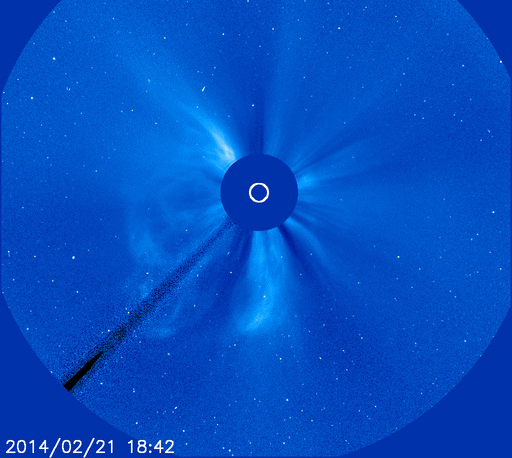
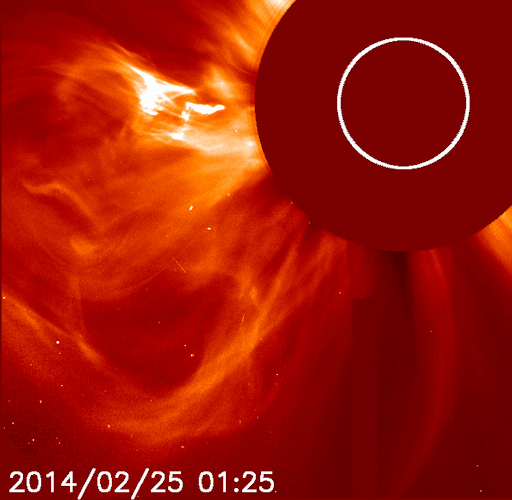
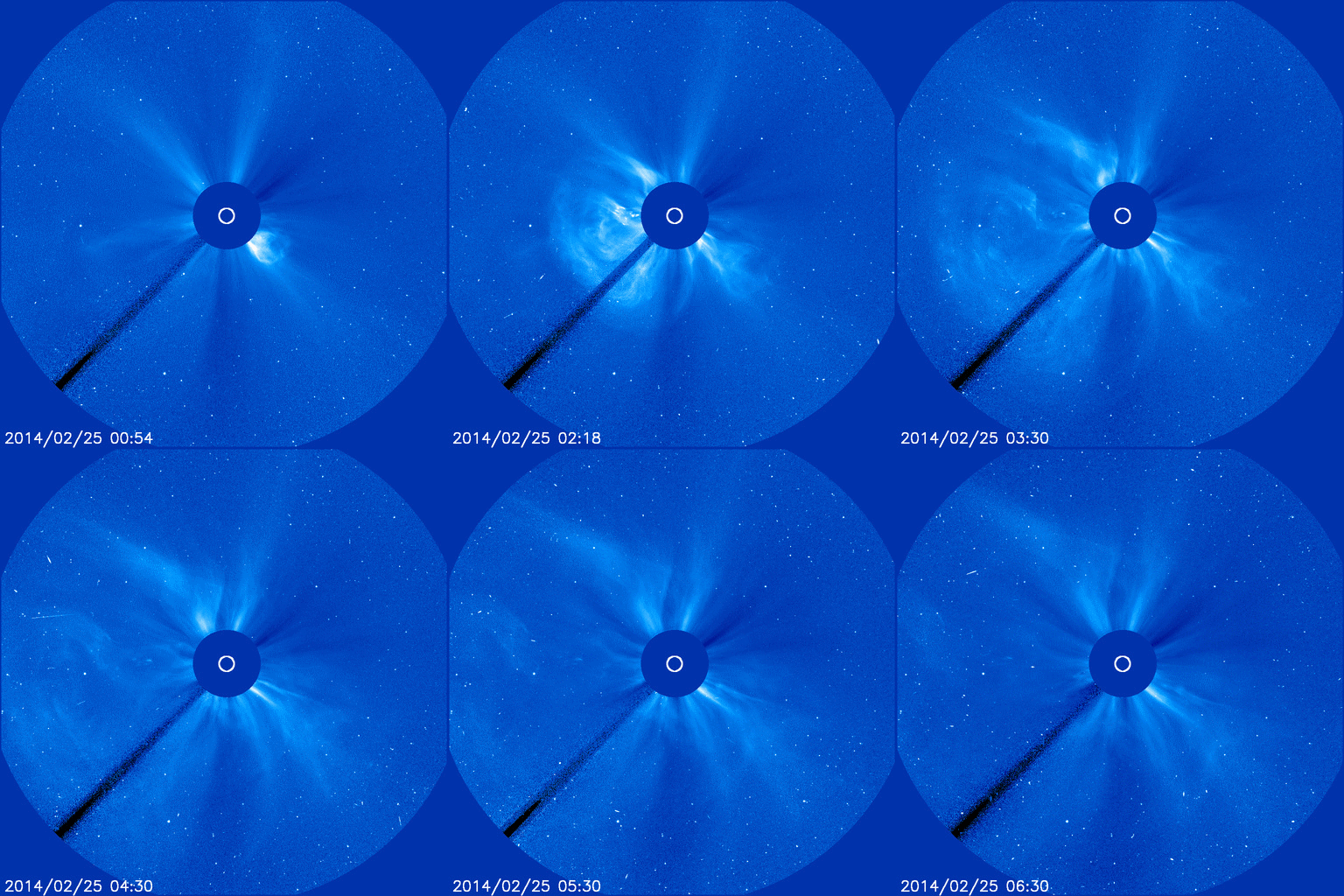
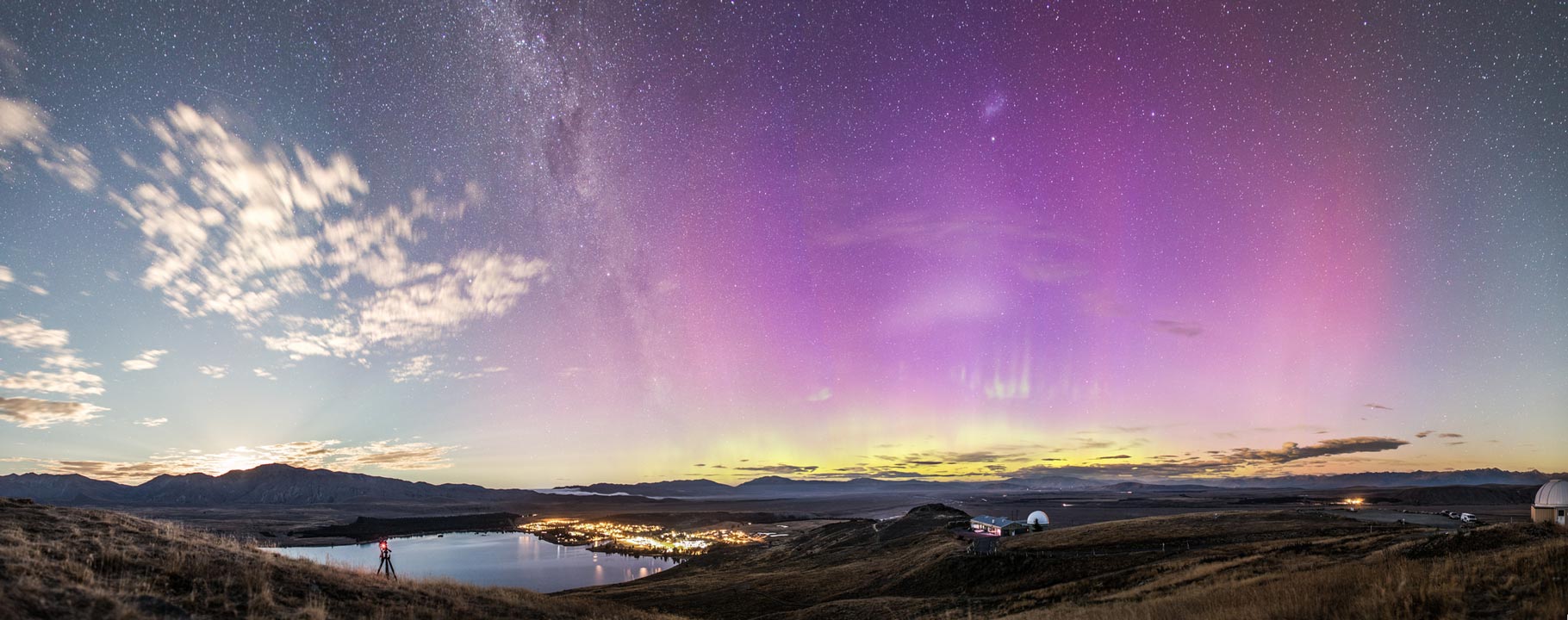
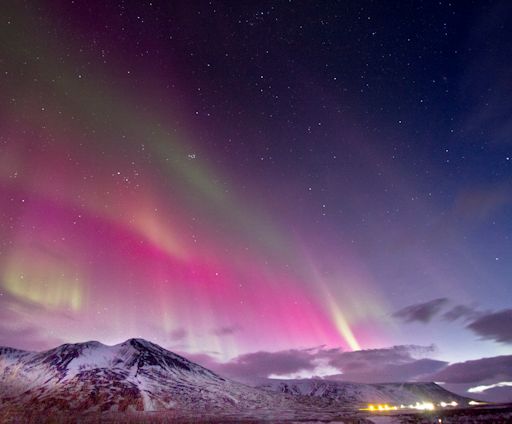
-A brief geomagnetic storm on Feb. 15th sparked by a CME impact has petered out, and the chances for auroras this weekend are subsiding. The CME appears to have been a merger of three minor clouds that, even together, could not cause a sustained disturbance in Earth's magnetic field. The hoped-for Valentine's display of auroras never materialized.
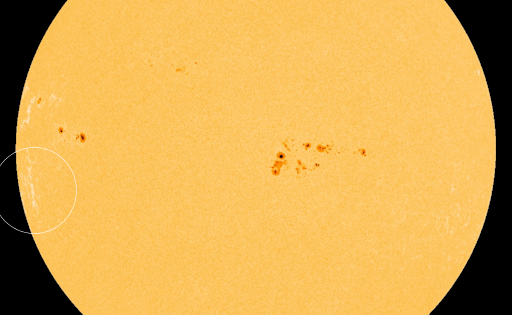
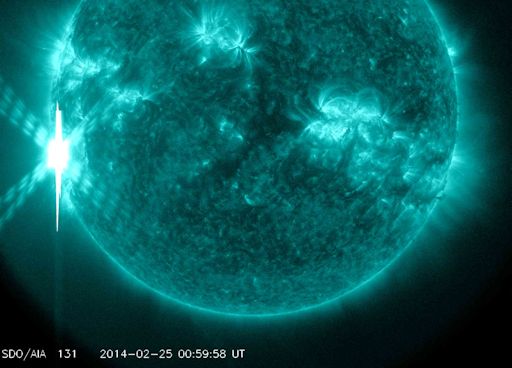
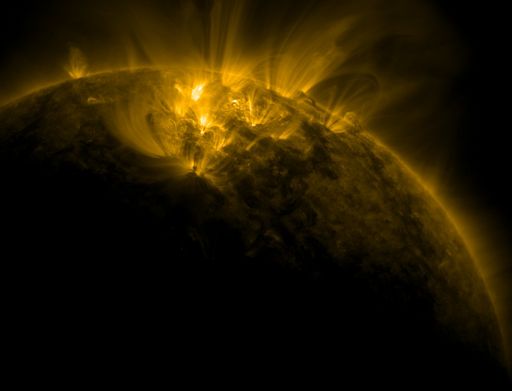
-After days of nonstop activity, big sunspot AR1974 is quieting. The sunspot's magnetic field appears to be losing some of its unstable complexity, prompting NOAA forecasters to downgrade the chance of an X-class flare today to only 5%.
-A brief geomagnetic storm on Feb. 15th sparked by a CME impact has petered out, and the chances for auroras this weekend are subsiding. The CME appears to have been a merger of three minor clouds that, even together, could not cause a sustained disturbance in Earth's magnetic field. The hoped-for Valentine's display of auroras never materialized.
-After days of nonstop activity, big sunspot AR1974 is quieting. The sunspot's magnetic field appears to be losing some of its unstable complexity, prompting NOAA forecasters to downgrade the chance of an X-class flare today to only 5%.
Astro Picture of the Day:
February 16, 2014
From afar, the whole thing looks like an Eagle. A closer look at the Eagle Nebula, however, shows the bright region is actually a window into the center of a larger dark shell of dust. Through this window, a brightly-lit workshop appears where a whole open cluster of stars is being formed. In this cavity tall pillars and round globules of dark dust and cold molecular gas remain where stars are still forming. Already visible are several young bright blue stars whose light and winds are burning away and pushing back the remaining filaments and walls of gas and dust. The Eagle emission nebula, tagged M16, lies about 6500 light years away, spans about 20 light-years, and is visible with binoculars toward the constellation of the Serpent (Serpens). This picture combines three specific emitted colors and was taken with the 0.9-meter telescope on Kitt Peak, Arizona, USA.









Comment