

Re: Terry's Astronomy Thread.
What's in the sky tonight?
August 20, 2013
Astro Picture of the Day:
August 20, 2013
 Source:
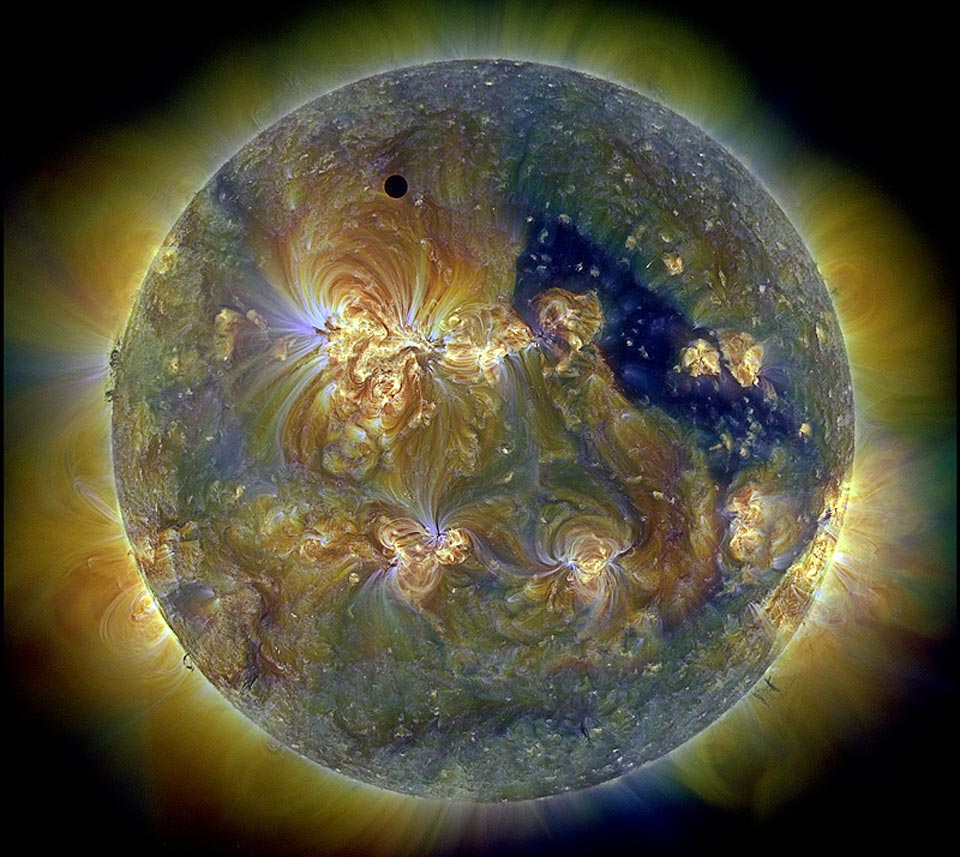
An unusual type of solar eclipse occurred last year. Usually it is the Earth's Moon that eclipses the Sun. Last June, most unusually, the planet Venus took a turn. Like a solar eclipse by the Moon, the phase of Venus became a continually thinner crescent as Venus became increasingly better aligned with the Sun. Eventually the alignment became perfect and the phase of Venus dropped to zero. The dark spot of Venus crossed our parent star. The situation could technically be labeled a Venusian annular eclipse with an extraordinarily large ring of fire. Pictured above during the occultation, the Sun was imaged in three colors of ultraviolet light by the Earth-orbiting Solar Dynamics Observatory, with the dark region toward the right corresponding to a coronal hole. Hours later, as Venus continued in its orbit, a slight crescent phase appeared again. The next Venusian solar eclipse will occur in 2117.
What's in the sky tonight?
August 20, 2013
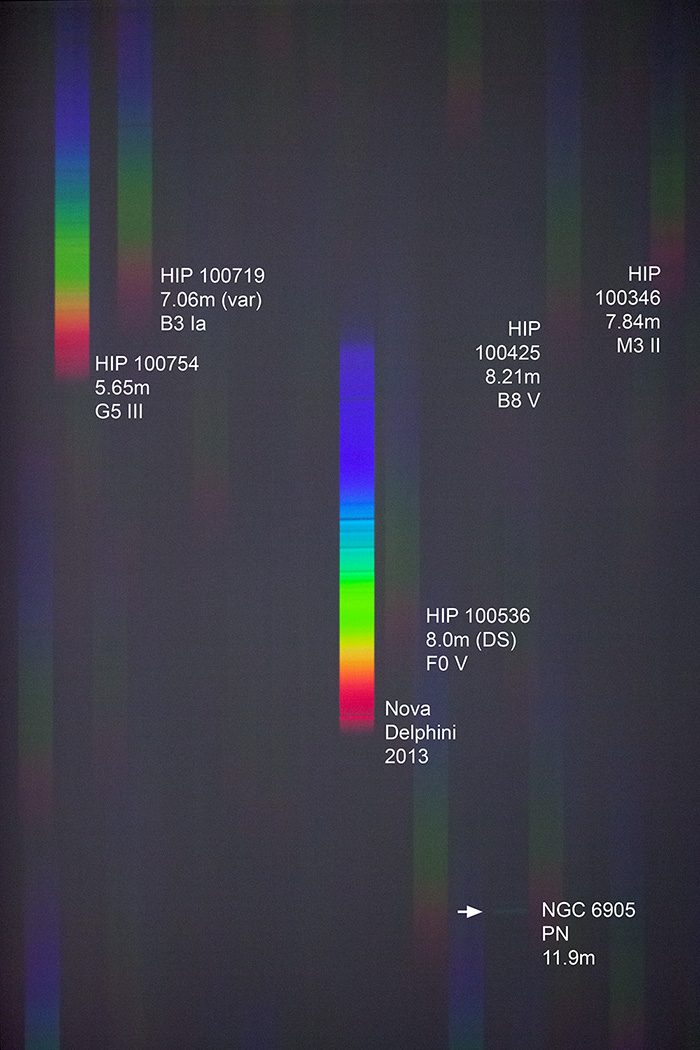
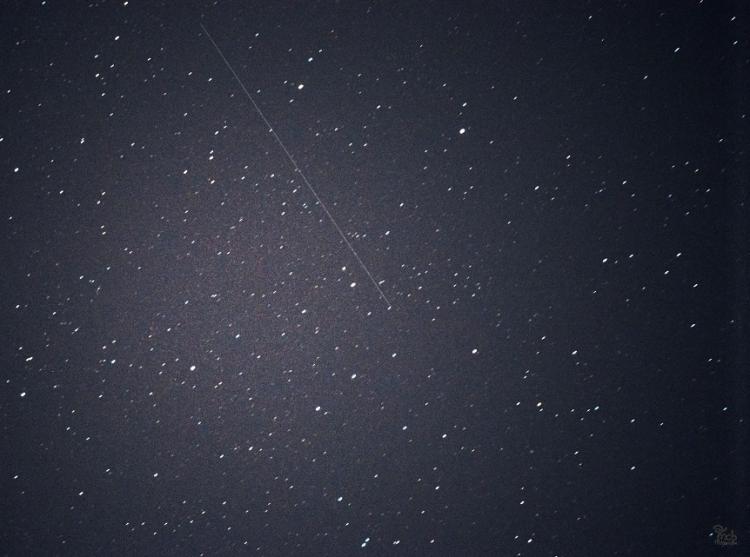
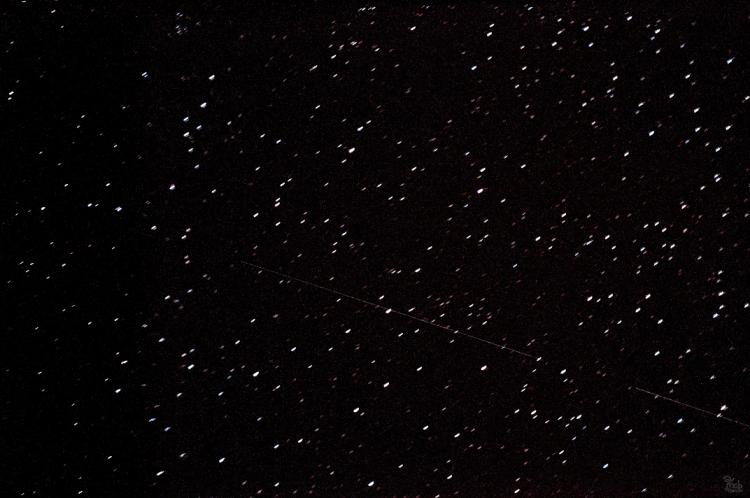
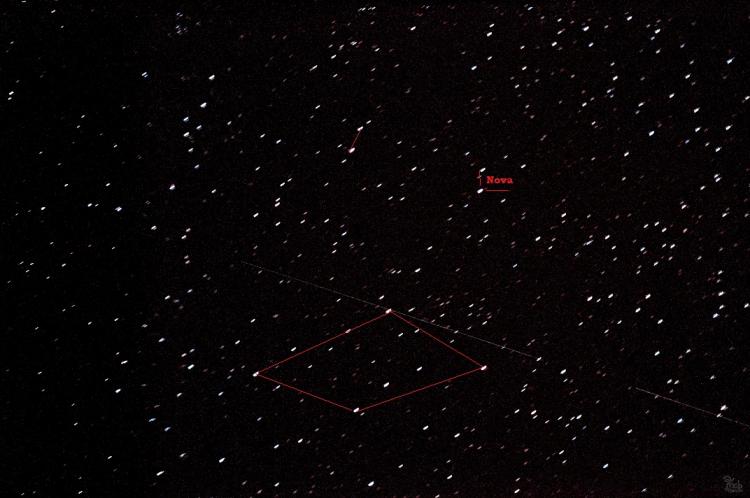
-The nova peaked a little brighter than magnitude 4.5 early on August 16th, declined slightly, and then has held remarkably steady ever since. It remained a little brighter than magnitude 5.0 from 12h UT August 16th to 18h UT August 18th.
-Full Moon (exact at 9:45 p.m. Eastern Daylight Time). The Moon rises around sunset and shines in dim Aquarius after dark.
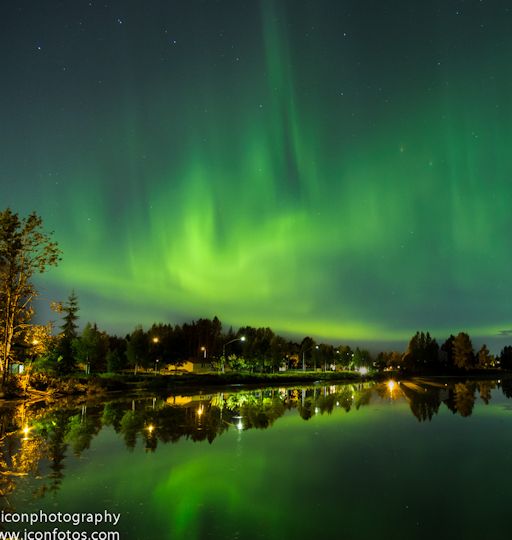
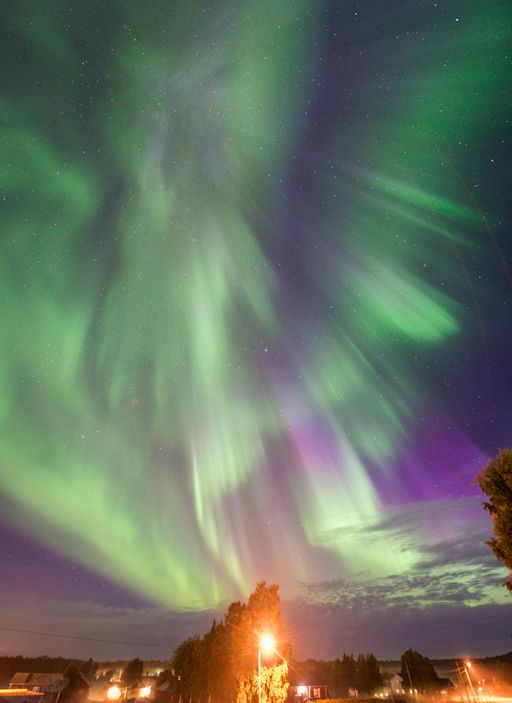
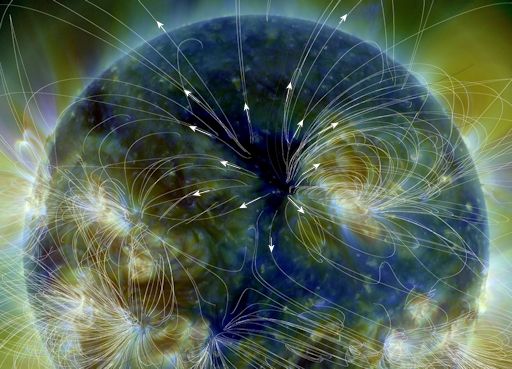
-According to NOAA analysts, a CME hurled into space by an M3-class solar flare on August 17th will probably miss Earth. However, Earth will pass through the wake of the CME after the cloud itself passes by. This could trigger polar geomagnetic storms despite the CME being off-target. High-latitude sky watchers should be alert for auroras on August 20-21.
-Full Moon (exact at 9:45 p.m. Eastern Daylight Time). The Moon rises around sunset and shines in dim Aquarius after dark.
-According to NOAA analysts, a CME hurled into space by an M3-class solar flare on August 17th will probably miss Earth. However, Earth will pass through the wake of the CME after the cloud itself passes by. This could trigger polar geomagnetic storms despite the CME being off-target. High-latitude sky watchers should be alert for auroras on August 20-21.
Astro Picture of the Day:
August 20, 2013
An unusual type of solar eclipse occurred last year. Usually it is the Earth's Moon that eclipses the Sun. Last June, most unusually, the planet Venus took a turn. Like a solar eclipse by the Moon, the phase of Venus became a continually thinner crescent as Venus became increasingly better aligned with the Sun. Eventually the alignment became perfect and the phase of Venus dropped to zero. The dark spot of Venus crossed our parent star. The situation could technically be labeled a Venusian annular eclipse with an extraordinarily large ring of fire. Pictured above during the occultation, the Sun was imaged in three colors of ultraviolet light by the Earth-orbiting Solar Dynamics Observatory, with the dark region toward the right corresponding to a coronal hole. Hours later, as Venus continued in its orbit, a slight crescent phase appeared again. The next Venusian solar eclipse will occur in 2117.







Comment