-

-
Re: Future of Space Flight
Rockets are just fine. I think it's the fuel effectiveness that is critical.Last edited by foilman8805; 04-3-2009, 12:47 PM.Comment
-
Comment
-
Re: Future of Space Flight
Well you said we'd need massive funding, so assuming we have massive funding I guess it's not really an issue if costs are 'astronomical'.
Do you know anything about space, Maid? Or are you just kind of thinking this through from an outside perspective?Comment
-
Re: Future of Space Flight
Even if they manage this in my lifetime (which i doubt, i doubt everyone wants to do their daily lives in space suits...what are they gonna do, a dome?) im not leaving Earth. Earth is my home lol.
they should be realistic and look more to our own earth. underwater? underground? (this is definately feasible.).
am i the only one here whos read the pendragon series? the Never War gives a good example of life in the future, even if its fiction.
Comment
-
Re: Future of Space Flight
So in 2037 we're gonna be martians? Neat.
Tournament Wins:
Cry4eternity's First Tournament (Standard division)

^lulz^
Super Smash Bros. Brawl LADDER

^ScArY^Comment
-
Re: Future of Space Flight
I'm more interested in having the Hubble telescope improved and having more satellites in space like the Hubble telescope.
Comment
-
Re: Future of Space Flight
cant wait till they launch the hubbles replacement woo!
Comment
-
Comment
-
I said, funding for a better propulsion. Not wasting it on dead end tech.
As for knowing about space, I do know a lot more than you. Rockets are basically stone age tech, that simply were a starting point. If humans plan to live and advance long term, we simply must embrace spreading out. Not to be a downer but the longer we are stuck to earth as sole tit, the higher chances we are gonna get wiped out or set back in the best scenario.
Doesn't take a scientist to see that Rockets are limited and are a dead end. Last edited by devonin; 04-4-2009, 10:09 AM.
Comment
-
Re: Future of Space Flight
Haven't read that series, no, but I do agree with you about learning more about the Earth itself, especially underwater. I'd venture to say we know quite a bit about what's underground...rocks, precious metals, oil, tectonic plates, magma, hot molten core, etc. Underwater is a totally different world though and still hasn't even been explored to a tenth of its potential, imo.
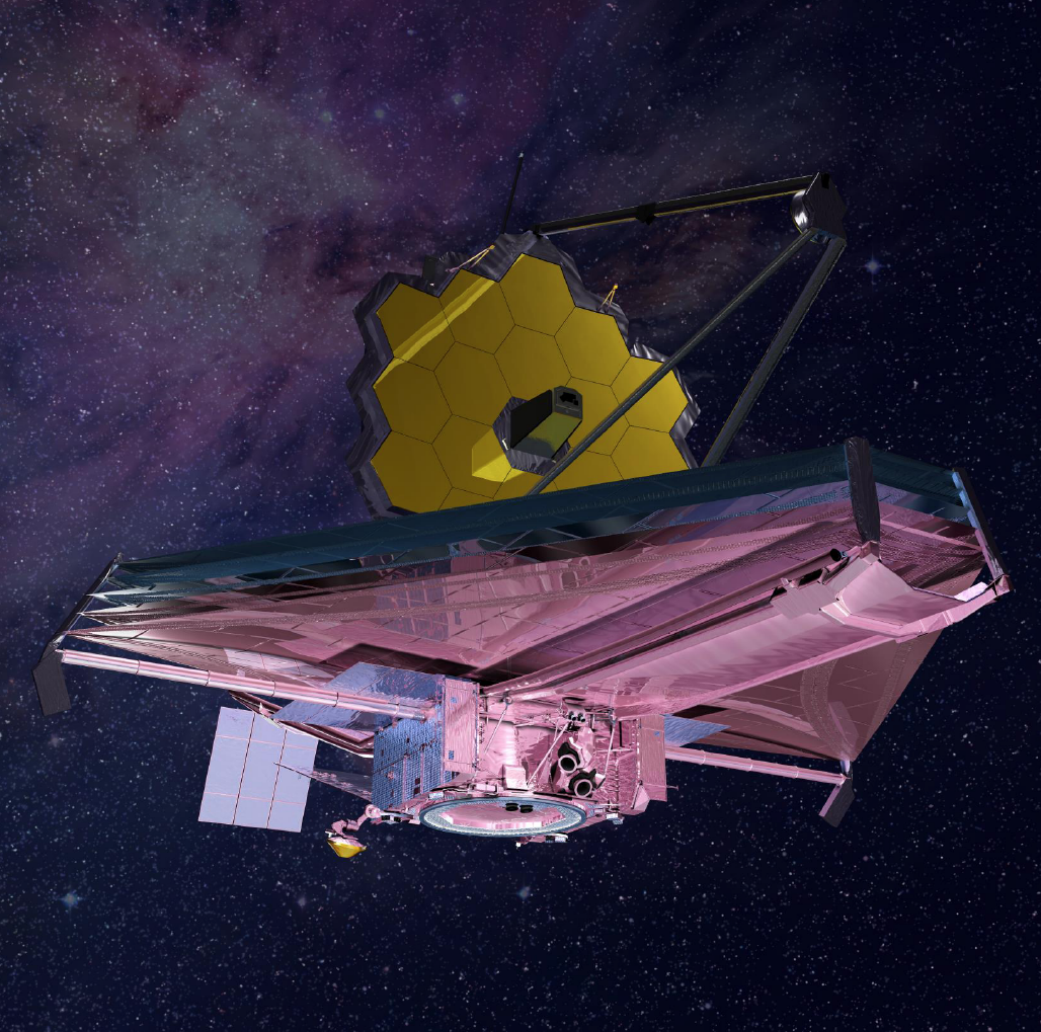
JWST (James Webb Space Telescope) isn't necessarily going to replace the Hubble, but I basically consider it the Hubble 2. Should be launching in 2013 assuming all goes well with system integration and testing. I was talking about the JWST with bluguerilla the other day in IRC. He linked some pretty cool videos to me, but I don't have the links anymore. Hopefully if he sees this, he can post them for you to see.
There's a link from NASA where you can dig around for more info if you're interested.
So what exactly about the rocket is 'dead end tech'? Is it the way the fuel is combusted? Is it the propellant efficiency? Is it the chemical fuel itself? Is it the shape? Is it all of the above? (I'm thinking you're leaning towards the last question.)
I'm not expecting you to come up with the answer for future propulsion, but I am curious to see what you think is so critically wrong with rockets.
As far as I know, there's little we can do to harness the energy of space outside of utilizing solar pressure, which is smaller as you get farther away from the sun, and therefore less effective, or the free form ions and charged particles that populate space. Ion thrusters already exist, but they're probably not very effective for interplanetary travel as they only provide thrust impulses rather than the steady burn that you would need for orbital maneuvers.
I'm hoping that in the near future we figure out how to employ charged particles. I may be speaking out of ignorance, but I think they're probably the most powerful form of energy in space that we know of at the moment. We'd just need a propulsion system that converts the electrical energy of the particles into mechanical energy (not too difficult, I'd think), and we may have a viable solution to our current dead end technology.
Just tossing ideas around.Last edited by foilman8805; 04-4-2009, 10:55 AM.Comment
-
Re: Future of Space Flight
Whats so advanced and high tech about controlled burning of fuel. No matter how you dress it up, it's a dead end inefficient propulsion method, which is also very expensive and only feasible around the earth, in a very limited capacity. The title is, "Future of Space Flight" are you honestly telling me that our future is bound to stone age tech and that we going to colonize anything by using rockets when it comes to a larger scale?
Right now our space development is embarrassing, we are still using more than 50 year old tech for delivery and it seems like we are making 1 step forward and 2 steps backs so far.
All of the above.
So what exactly about the rocket is 'dead end tech'? Is it the way the fuel is combusted? Is it the propellant efficiency? Is it the chemical fuel itself? Is it the shape? Is it all of the above? (I'm thinking you're leaning towards the last question.)
I'm not expecting you to come up with the answer for future propulsion, but I am curious to see what you think is so critically wrong with rockets.
I want funding for alternative propulsion research, especially something that allows low cost delivery capability from earth surface. No matter how you improve rocket design. It will never be cheap.Last edited by Suzuru; 04-4-2009, 11:08 AM.
Comment
-
Re: Future of Space Flight
No one has really defined 'the future' as of yet, so if you're talking 200 years from now, then no, I don't think we will be bound to our stone age technology.
If you're talking 20 years from now, I'm hard pressed to believe we won't still be depending on rockets as our primary propulsion method.Comment






Comment