

Re: Terry's Astronomy Thread.
What's in the sky tonight?
September 6, 2012

Astro Picture of the Day:
September 6, 2012
 Source:
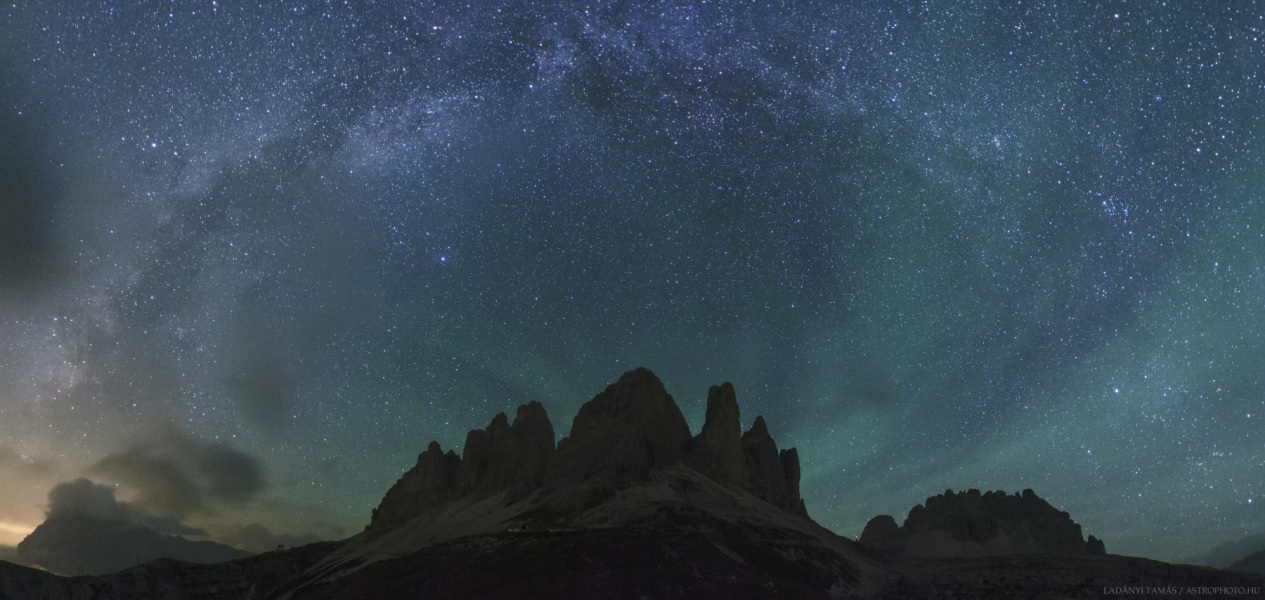
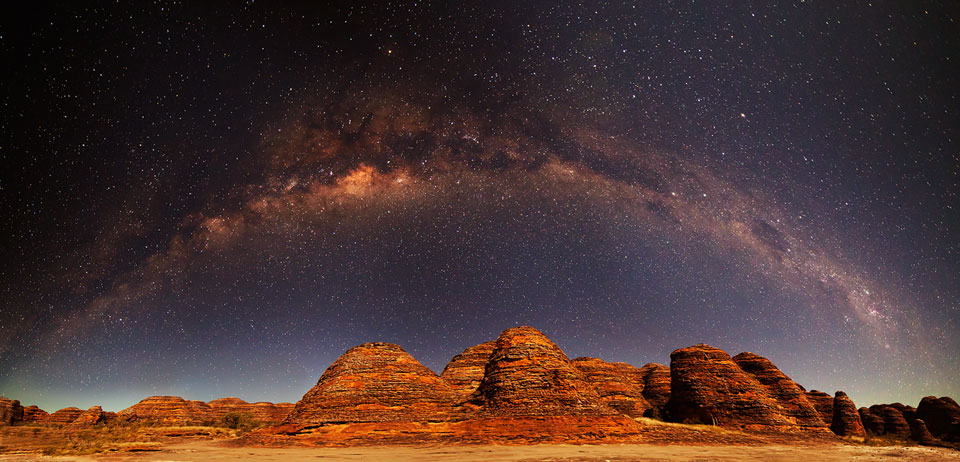
In this serene night skyscape, the Milky Way's graceful arc stretches over prominent peaks in the Italian Alps known as Tre Cime di Lavaredo. A 180 degree wide-angle panorama made in four exposures on August 24, the scene does look to the north and the sky is suffused with an eerie greenish light. Still, the subtle glowing bands are not aurorae, but airglow. Unlike aurorae powered by collisions with energetic charged particles and seen at high latitudes, airglow is due to chemiluminescence, the production of light in a chemical reaction, and found around the globe. The chemical energy is provided by the Sun's extreme ultraviolet radiation. Like aurorae, the greenish hue of this airglow does originate at altitudes of 100 kilometers or so dominated by emission from excited oxygen atoms. More easily seen near the horizon, airglow keeps the night sky from ever being completely dark.
What's in the sky tonight?
September 6, 2012
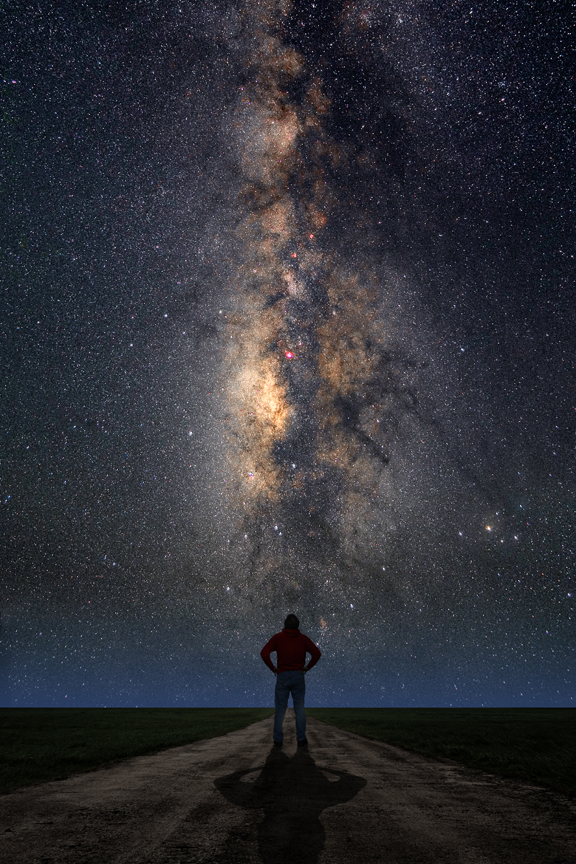
-Whenever Vega is near the zenith, as it is just after dark now, you know Sagittarius is at its highest and best in the south — displaying the deep-sky riches of the summer Milky Way to their best advantage. The Teapot asterism of Sagittarius is tilting to pour to the right. The richest big patch of the Milky Way, the Large Sagittarius Star Cloud, is just above its spout.
Astro Picture of the Day:
September 6, 2012
In this serene night skyscape, the Milky Way's graceful arc stretches over prominent peaks in the Italian Alps known as Tre Cime di Lavaredo. A 180 degree wide-angle panorama made in four exposures on August 24, the scene does look to the north and the sky is suffused with an eerie greenish light. Still, the subtle glowing bands are not aurorae, but airglow. Unlike aurorae powered by collisions with energetic charged particles and seen at high latitudes, airglow is due to chemiluminescence, the production of light in a chemical reaction, and found around the globe. The chemical energy is provided by the Sun's extreme ultraviolet radiation. Like aurorae, the greenish hue of this airglow does originate at altitudes of 100 kilometers or so dominated by emission from excited oxygen atoms. More easily seen near the horizon, airglow keeps the night sky from ever being completely dark.









Comment